The Growing Craze About the Mould Testing Sydney
Wiki Article
Mould Removal Costs in Sydney Explained: A Practical Guide for Homeowners
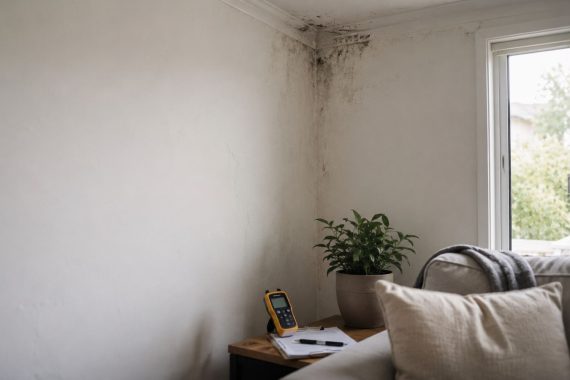
Discovering mould in your home can be worrying, particularly when it shows up on bathroom ceilings, bedroom walls, wardrobes, window frames, carpets, or near air conditioning vents. A common question homeowners ask early is how much professional treatment will cost. The answer depends on several factors, including the size of the affected area, the cause of the moisture, the type of surface involved, and whether the issue is simple surface growth or a deeper contamination problem. Mould Removal Sydney services services can range from small targeted cleaning jobs to larger remediation projects that require inspection, drying, treatment, and prevention advice. A minor patch of mould on wall is usually easier to handle compared to extensive Black mould linked to leaks, condensation, or hidden dampness. Understanding what affects pricing helps homeowners make better decisions and avoid paying for temporary fixes that allow the problem to return.
Why Mould Removal Costs Can Vary
Mould is not simply a surface issue. Across many Sydney homes, visible mould often indicates moisture, poor ventilation, water entry, or trapped humidity. This means treatment costs depend on more than just visible signs. A minor bathroom patch may only need basic cleaning, whereas recurring mould in bedrooms, wardrobes, ceilings, or wall cavities may require more comprehensive treatment. Professional Mould Cleaning Sydney services often include checking the affected area, assessing moisture conditions, treating contaminated surfaces, and advising on how to reduce the chance of future growth. More complex causes usually require greater time, labour, and specialised equipment.
Typical Mould Removal Costs in Sydney
As a general guide, small mould removal jobs in Sydney may cost around a few hundred dollars, particularly when the issue is limited to a bathroom ceiling, laundry area, window frame, or a small wall section. Moderate jobs tend to cost more if multiple rooms are affected, mould has spread across ceilings and cornices, or moisture problems are ongoing. Bigger or complex cases can be much more expensive, especially with widespread contamination, water damage, roof leaks, subfloor dampness, or mould in hard-to-reach areas. These figures are only general estimates since every property differs. A proper quote should be based on inspection, severity, access, moisture source, and the materials affected.
How the Size of the Area Affects Cost
The extent of the mould issue is a major factor in determining cost. A small visible patch usually takes less time and fewer materials to treat than mould spreading across multiple rooms. If mouldy walls appear across bedrooms, living spaces, wardrobes, skirting boards, curtains, ceilings, and nearby surfaces, the work becomes more complex. Extensive areas often require extra preparation, containment measures, repeated treatment, and detailed cleaning. Early action helps control costs since smaller areas are easier to treat before mould spreads.
How Far the Mould Has Penetrated
Some mould remains on surfaces, while other types penetrate porous materials. Hard surfaces are easier to clean, but plasterboard, timber, insulation, carpet backing, fabrics, and cabinetry can trap moisture and allow deeper growth. In such cases, simple cleaning is often insufficient. In some cases, affected materials may need specialist treatment or partial removal if they are badly damaged. This is why professional assessment matters. A small stain may indicate deeper moisture behind walls or ceilings, particularly if there are water marks, peeling paint, soft plaster, or a lingering musty odour.
What Causes Mould Growth
Moisture source plays a key role in determining cost. Common causes include poor airflow, condensation, plumbing leaks, roof issues, rising damp, subfloor moisture, storm damage, or past flooding. If the moisture source is not corrected, mould often returns even after cleaning. This is where Mould Inspection Sydney services become important. An inspection helps identify why the mould appeared, whether the area is still damp, and what steps may be needed to prevent repeat growth. Investing in proper assessment can save money long term by reducing repeat treatments.
Impact of Access and Location
Mould in accessible areas is generally easier to treat. Costs may increase when mould is in roof cavities, behind furniture, inside cupboards, under flooring, around air conditioning systems, behind wall linings, or in tight bathroom ceiling spaces. Restricted access often increases labour time and requires additional containment measures. Different property types such as houses, apartments, strata, and commercial buildings may involve varying access needs. For instance, mould in Mould Inspection Sydney a bathroom ceiling is often easier than mould concealed behind cabinetry or within roof spaces.
When to Consider Mould Testing
Testing is not always necessary, but Mould Testing Sydney can be helpful in specific cases. Testing may be recommended when mould keeps returning, when there is a strong musty smell but no obvious visible growth, when occupants have respiratory concerns, or when documentation is needed for rental, sale, insurance, or dispute reasons. Testing can help provide a clearer picture of the issue, but it may add to the overall cost. In many cases, a detailed inspection and moisture assessment may be enough to guide treatment, while testing is used when extra evidence or confirmation is required.
Why Low-Cost Cleaning Can Become Expensive
Choosing the cheapest cleaning option can feel sensible at first, but it may become expensive if the service only removes surface marks. Mould often returns quickly if the moisture issue is not resolved. Repeated cleaning or sprays may improve appearance temporarily but do not address the root cause. If the mould spreads into walls, ceilings, insulation, or timber, future treatment may become more costly. Professional treatment addresses removal, moisture control, materials, and prevention, offering more lasting results.
Is DIY Mould Removal Enough?
DIY cleaning may help with very minor surface spotting in low-risk areas, but it is not suitable for every situation. Expert help is recommended if mould returns repeatedly, covers larger areas, produces odours, or follows leaks or flooding. It is also sensible to seek expert advice when mould appears on ceilings, inside wardrobes, under flooring, near air conditioning systems, or around damp wall areas. People with asthma, allergies, or respiratory sensitivity may also prefer a more careful professional approach. The key drawback of DIY is that it often addresses symptoms rather than the root cause.
What to Expect in a Mould Removal Quote
A detailed quote should outline affected areas, recommended treatment, moisture assessment, and any drying or prevention work. It should specify whether the service is simple cleaning or full remediation. Comparing quotes only by price can be misleading since services differ in scope and quality. A clear quote ensures you understand whether the solution is cosmetic or addresses the root issue.
How to Keep Mould Removal Costs Lower
Early action is the most effective way to keep costs down. Repair leaks promptly, improve ventilation, use exhaust fans correctly, lower indoor humidity, and avoid placing furniture against damp walls. Condensation should not be ignored, especially when it appears regularly on windows, ceilings, or external walls. If mould persists, professional inspection can identify the cause early. Early action is usually less expensive than waiting until the mould affects several rooms or deeper building materials.
Final Thoughts
The cost of mould removal in Sydney depends on the size of the affected area, the cause of moisture, the location of the mould, and whether simple cleaning or more detailed remediation is required. Smaller jobs are generally affordable, while complex cases with hidden moisture or contamination can be costly. The key takeaway is that mould is not just a cosmetic concern. Regardless of whether it is Mould, Mold, mouldy walls, mould on wall, or Black mould, proper treatment must address both the growth and its cause. Professional assessment and treatment can help protect your home, reduce repeat problems, and give you clearer guidance on the most practical way to restore a cleaner, healthier indoor environment. Report this wiki page